
Start from your environment.
A Linux system has a specific role in the company: hosting a service, wearing an application or participating in an infrastructure. Its accompaniment begins by understanding this function and the dependencies that surround it. Agedis intervenes on the configuration and monitoring of the system according to the project, considering the resources, storage, network and the necessary exchanges with other equipment in your environment.
Our files include a Linux machine configuration carried out over two days and the preparation of a Linux virtual machine import into VMware. These situations require articulating the system with its destination environment. The parameters to remember, access and verifications are defined with your technical contacts in order to prepare an operation adapted to the company's uses.
Specify the role of the system
Before the intervention, the expected service and its prerequisites must be identified. This understanding allows you to prepare resources and ask useful questions to those responsible for the application.
Preparing for migration
A transfer to a new environment requires looking at the dependencies of the machine. Resources available, links and conditions of administration must be specified prior to the passage.
Enroll Linux in the park
Exchanges with Windows, Mac and company services depend on usage. We study the system integration and necessary follow-up points in your organization.
Understand the function of the system before intervening
A Linux server can provide file transfer, application, network service or link to technical equipment. Before a recovery or evolution, we identify its role, the people who use it and the other services on which it depends. Distribution, installed software and administrative procedures are among the elements to be identified.
The service can relate to an existing configuration or a new installation, with the necessary exchanges with the publisher or supplier. Access is limited to the authorized perimeter. Update and migration choices take into account the compatibilities and support conditions of the system concerned.
Re-initiation: separating symptom and cause
A boot failure, a service that stops and a connection problem do not treat itself in the same way. We collect the symptoms and traces available before defining the actions. Depending on the context, the diagnosis can examine storage, startup, services and connectivity, without assigning the incident too early to a component.
Our counting Linux server case describes a boot repair, then an update and conversion to a virtual machine. The stages were carried out during several passes, up to technical inspection and export. This feedback shows how to organize a return to service and then an evolution of the system.
Administration, evolution and virtualization
The scope can provide for the configuration of services, authorized accounts, data rights, updates and backups. Migrating to a virtual machine requires checking hardware dependencies, network interfaces and recovery arrangements. A copy or clone can help prepare operations, with defined storage conditions.
The changeover is prepared with a list of operations, prior copies and checks adapted to the service. We define the niche and the people responsible for verifying the result. The points which require the intervention of the editor remain identified in the project monitoring.
Document the elements useful for operation
An intervention may leave an inventory of the services concerned, a statement of changes and a list of issues to follow. Administrative contact information and secrets are not included in public documentation. The responsibilities of the company, the system team and the implementing partner are specified.
If the server is to be hosted off your premises, Cloudlab complete the study on the datacenter base. Agedis retains the system role: agreed installation, configuration and monitoring. If the application itself has to evolve, the need is passed on to its editor or studied with Dtouch for specific development or integration.
Your questions
Can Linux coexist with our Windows and Mac computers?
Yes, depending on the services and applications selected. The project must specify the modes of exchange, access and compatibility constraints between environments.
Do you take charge of all distributions?
The scope is verified based on the distribution, its version and the service concerned. This information makes it possible to prepare a realistic intervention.
Can you take back a Linux already installed?
We start with its role, distribution, versions, authorized access and available information. The scope of recovery depends on this inventory and any dependencies on a publisher.
Does virtualization keep an old application?
It can constitute a technical track. Hardware dependencies, licenses, compatibility and recovery arrangements must be checked. Simply starting the virtual machine does not validate all of the application's functions.
In practice
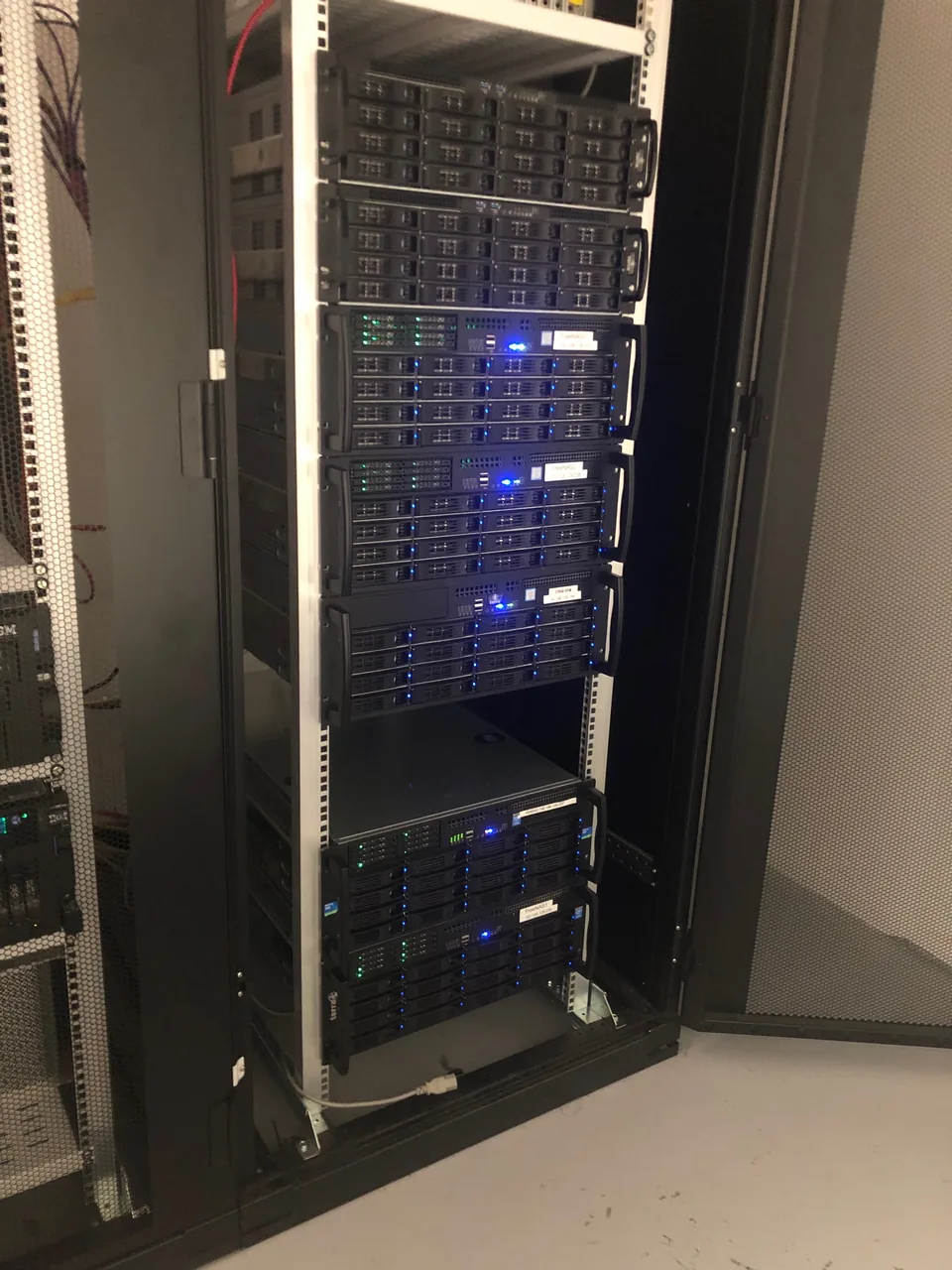
Strasbourg Events : restart and virtualize a Linux server
A server used by counting cameras requested a start-up repair, then an update and virtualization. Team Agedis carried out these steps and exported the virtual machine.
The right skills for the rest of your project.
Preparing for data centre reception
Cloudlab completes the project when a machine or infrastructure must be hosted in an external environment.
Discover this skillConnect applications
Dtouch explores integrations when services need to communicate with your other tools.
Discover this skillTo prepare your decision
Replace a server: preparing decisions and tipping
To prepare for replacing a server, first list the functions that your team must find after the change.