
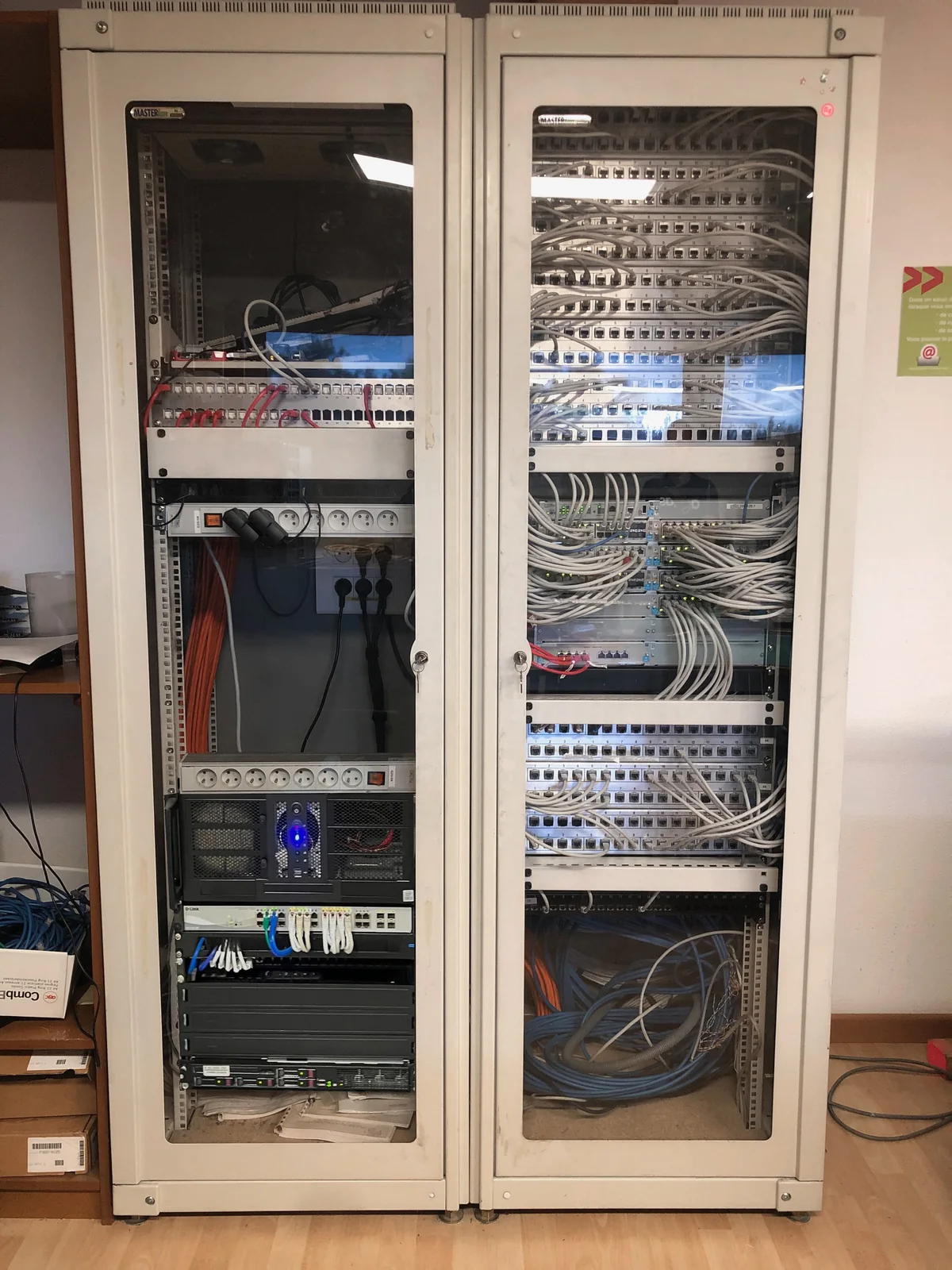
Deleted file: find the correct status
Take a simple example: a document has been deleted or modified by mistake. What condition do you need and when? Where was it kept: on the post, the server or an online service? The available recovery point must correspond to this situation.
The frequency of copies and their retention period answer two distinct questions. The first concerns the recent available states; the second, the depth of return in time. The location of the documents must be known to determine whether they are included in the arrangement.
Unavailable server: rebuild its functions
If the server no longer works, the files are only part of the subject. It may be necessary to find the system, accounts, services and applications. Identify the licenses, parameters and interlocutors that will make this environment available.
The means required depend on the recovery destination: replacement hardware, virtual resources, network access and available space. The copy must be accessible in the circumstances of the intended incident. A backup destination is therefore also chosen depending on the recovery scenario.
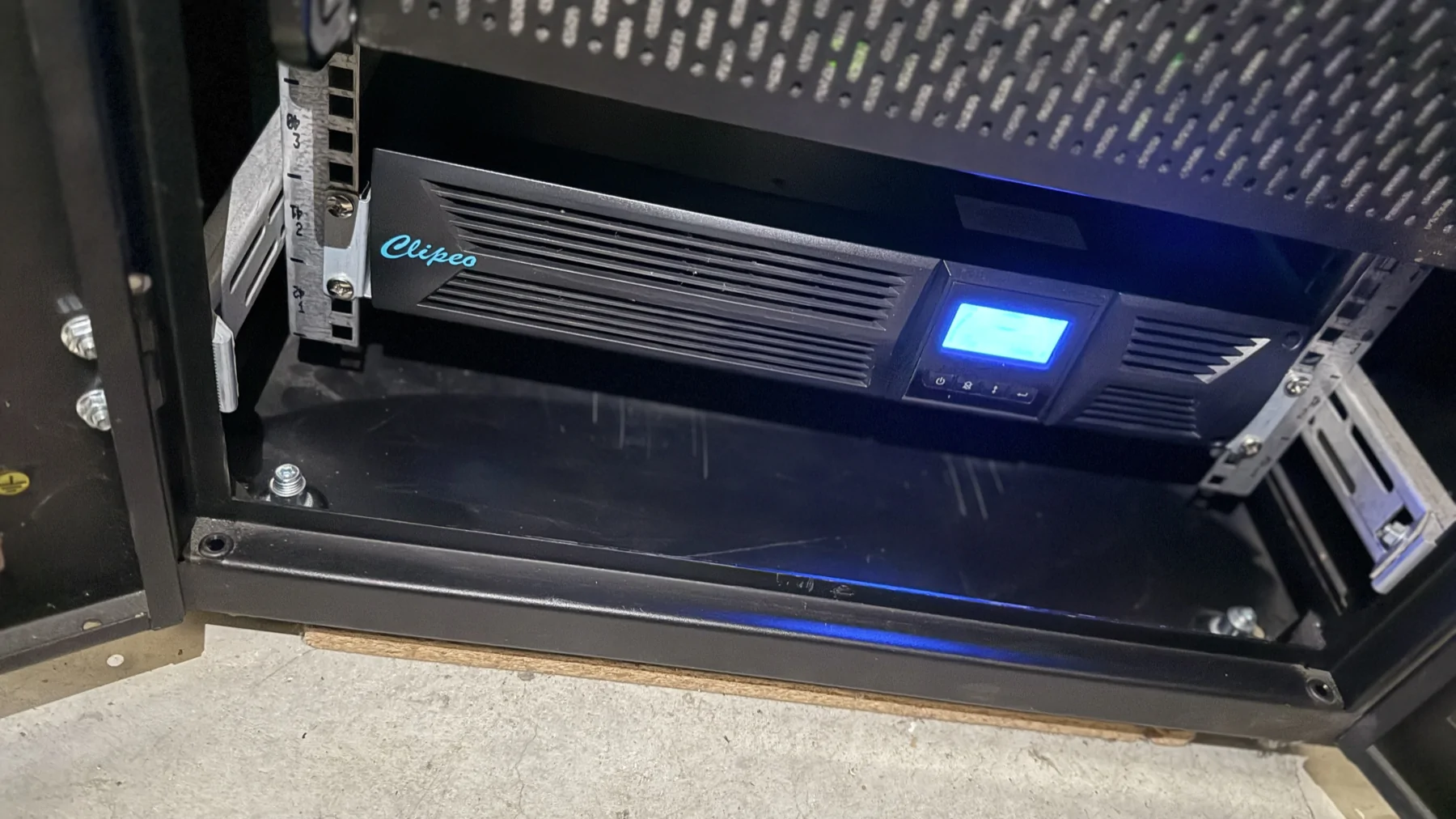
An activity to be relaunched: setting the order useful
Ask managers which functions should come back first. A reception, sales team and accounting department may have different priorities. Critical software may depend on a server, accounts, and network; these dependencies give order to operations.
Specify the data that the company can agree to retake and the duration of interruption that it can support. These objectives must be reconciled with the technical means, the people available and the cost. They become criteria for choice and verification, with explicitly agreed commitments.
Successful copying and verified recovery
Backup task tracking is used to identify missing or failed executions. To check recovery, define a specific test: what content, from what point, to what destination and with what expected result? Targeted monitoring makes it possible to record what has actually been achieved.
The essay must remain proportionate to its conclusion. Finding a witness file provides information on this recovery; This does not automatically measure restarting all applications. To prepare for a broader recovery, we must expand the scenarios and plan the necessary contacts.

Questions to ask before making an offer
Request a list of included and excluded data, frequency, retention, alert tracking, and how to request a restore. For an external copy, specify the conditions of access and retrieval, as well as the responsibilities of the service provider. Backup accounts and permissions must be identified.
In a case Agedis of backup Microsoft, a first copy was confirmed then the client asked to specify its recurrence. In another historical experiment, the server copy was confirmed and restoration trials remained to be organized. These two situations invite us to ask the question of the life of the service from the start.

To be prepared for your next exchange
- Local, shared and online data identified
- Delete file and server failure examined separately
- Frequency, conservation and destination explained
- Application procedure and recovery test defined
- Business priorities and persons required for recovery identified
An experience to read
View the steps and lessons of the fileTo explore further: ANSSI: backup of information systems.