

Identify addresses and their actual uses
List the collaborators, shared boxes, department addresses and groups used. Identify addresses that are no longer needed, but do not delete them without a decision from their manager. A hotel reception, a sales department and a mobile employee may have different expectations.
Bring this list of necessary licenses and functions together: messaging, office applications or document sharing by service. Identify the persons authorized to administer the environment and the information to be obtained from the current provider. This preparation allows us to discuss subscriptions from usage.
Define the content to be used
Specify whether the project covers messages, local archives, calendars, contacts and delegations. Some content can be distributed between the server, a post application, and locally stored files. Ask what will be transferred, what will be kept apart and any limitations of the tool used.
Also decide on the controls: period of messages to compare, important files and essential calendars. An overall quantity is not always enough to confirm that everyone finds their useful content. Validation must be organized with people who know this data.

Preparing the rocker and the devices
The domain name, sending and receiving services and accounts must be coordinated with the relevant parties. Plan the Windows and Mac workstations, telephones and webmail uses to configure. Access information is transmitted by an appropriate means, without appearing in a public request.
Choose a slot compatible with the activity and designate the people available for testing. The manager should know who to contact during the transition and what items remain tracked after the change. The planning distinguishes between preparation, changeover and validation of uses.
Check streams that don't leave Outlook
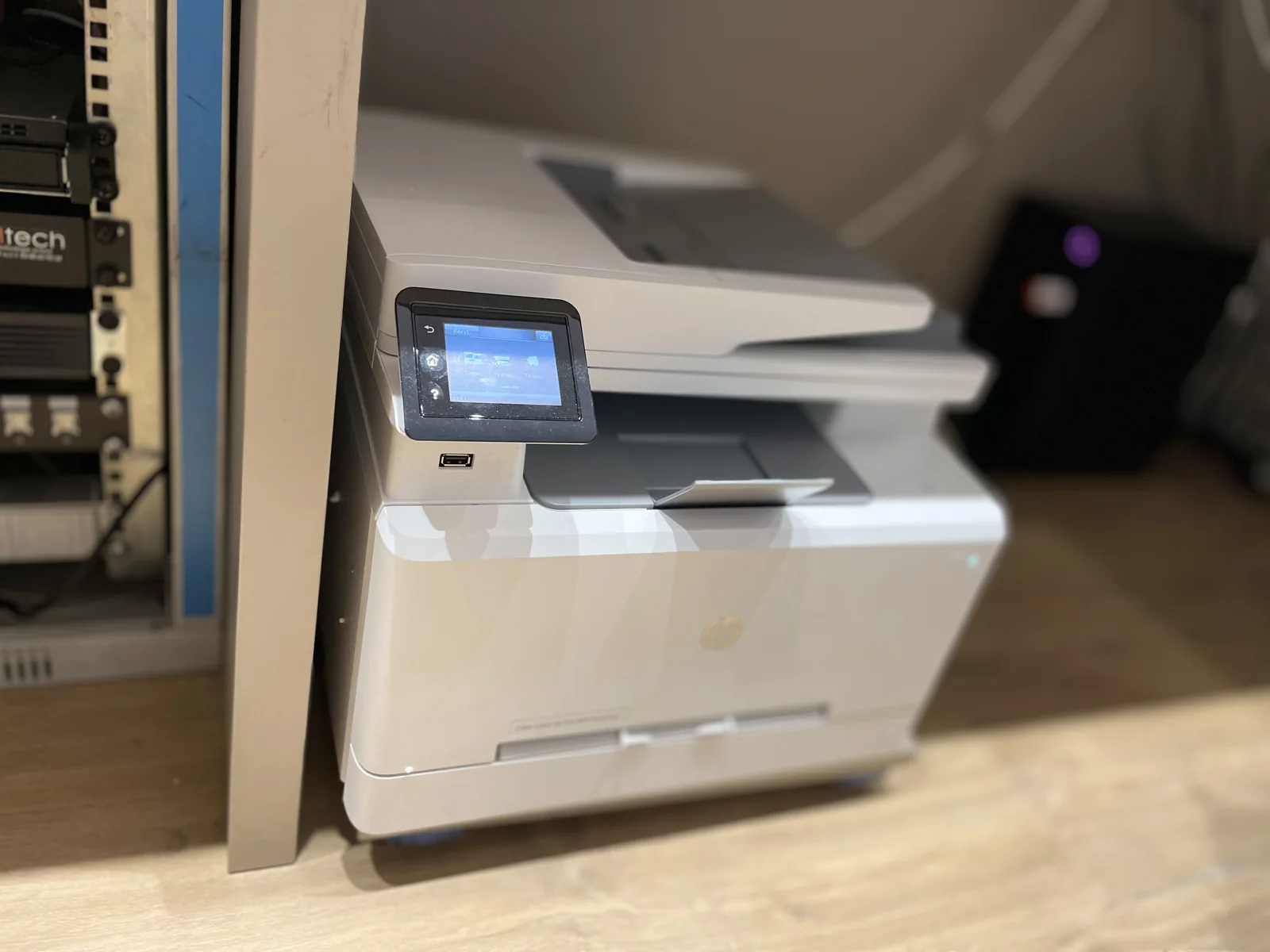
A contact form, copyer or management software can be used by courier to transmit documents. These sources are to be identified prior to the change. A reception test on a post does not automatically validate all of these circuits.
Prepare some useful scenarios: internal message, sending to an external recipient, receiving from the outside and flow of an important business tool. In the event of a return error, the time, the original service and the technical message will help stakeholders coordinate the checks.
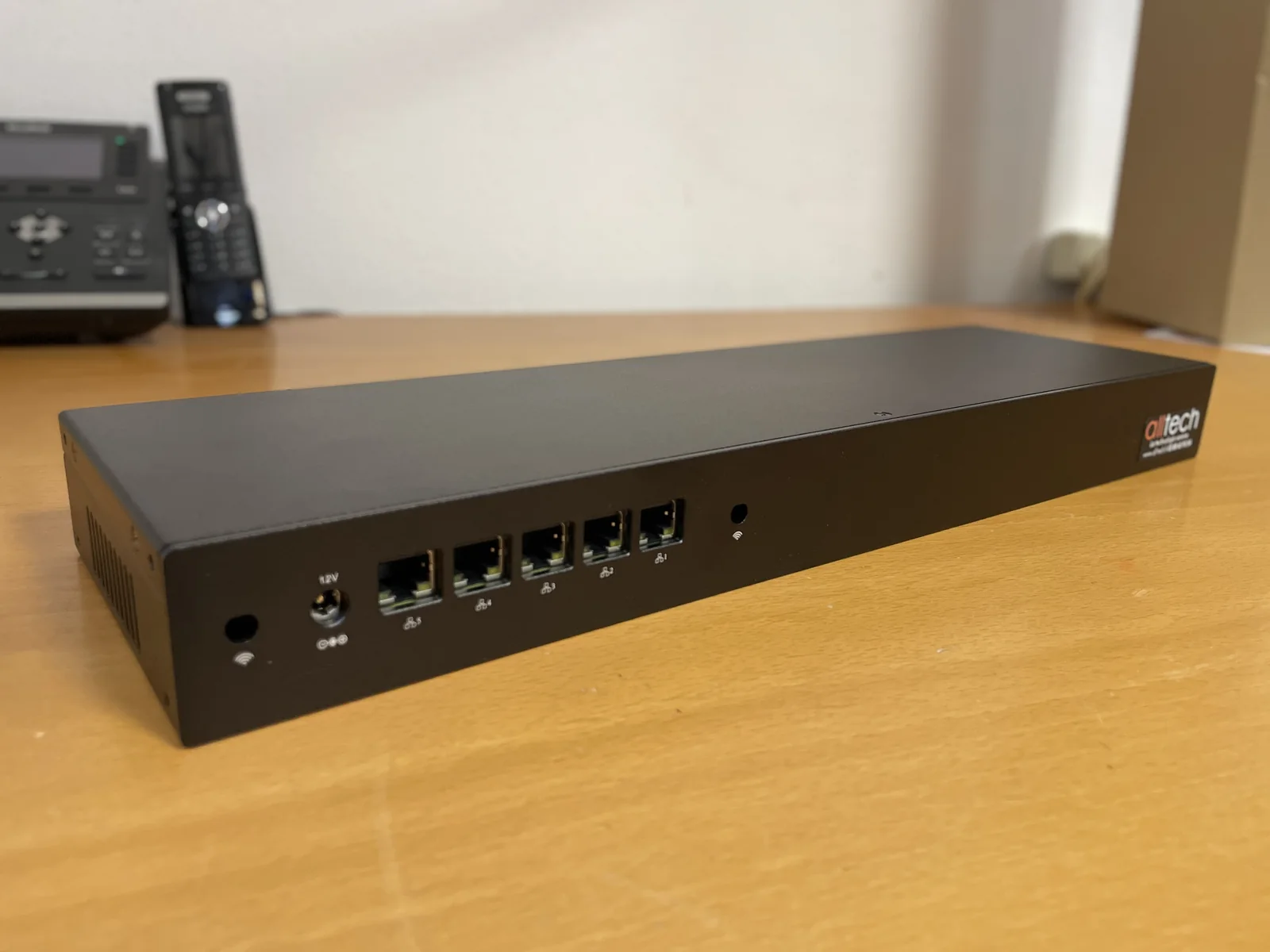
Deciding on termination and retention
Termination is prepared with the conditions of the contract and the actual state of the transition. Who authorizes it? When? What data should remain viewable? Licenses may have their own rules of engagement; their end is not confused with account deletion.
In a Agedis file for a hotel, the inventory of uses preceded the order and confirmation of the implementation of licenses. The authorization to send the termination came next. This succession provides a useful benchmark for a new project: prepare, implement, verify and decide on the closure of the previous service.
To be prepared for your next exchange
- Accounts, shared boxes and licenses identified
- Messages, archives, calendars and contacts to be resumed identified
- Posts, mobiles and application flows listed
- Slot, managers and planned validation tests
- Termination and retention permitted at the right time